What Rivian shipped
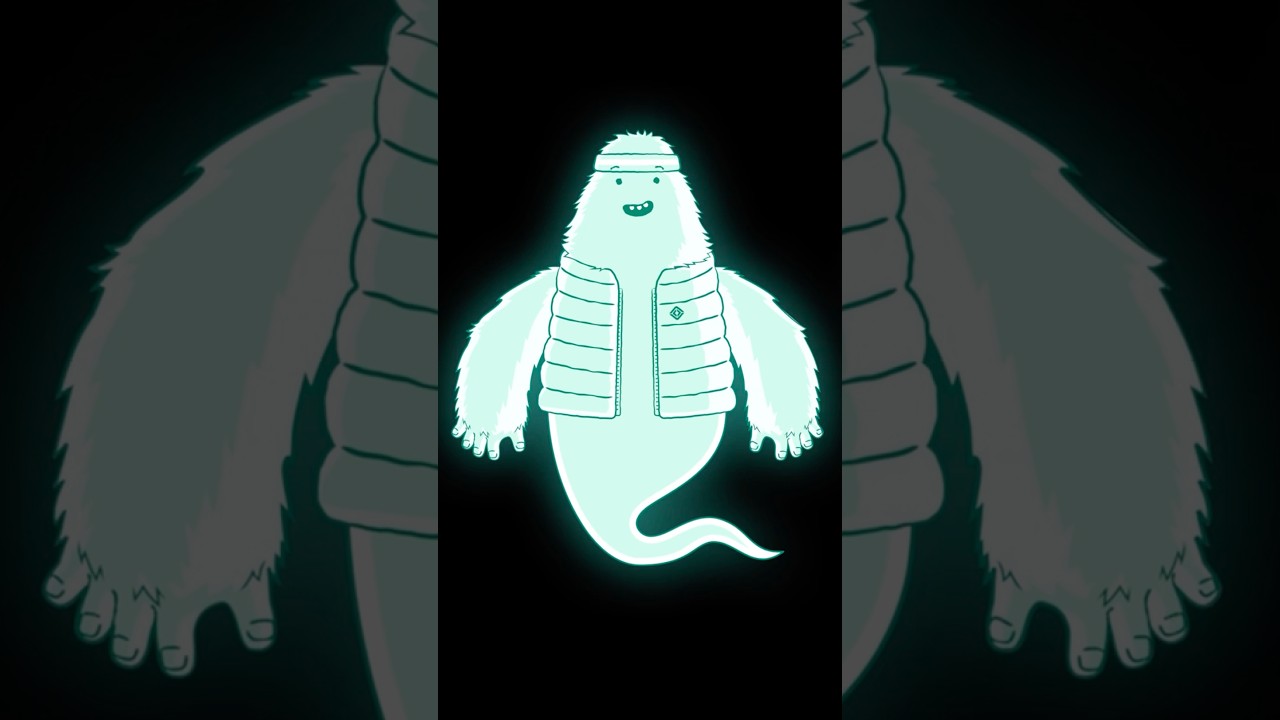
Rivian teased the upcoming release of its 2026 Halloween Mode, a seasonal software feature for its vehicles. The brief announcement signals a continuation of the brand's tradition of injecting playful, themed updates into the automotive user experience.
Seasonal features offer hardware companies a low-stakes avenue to experiment with brand voice. By treating a software update like an event, the company maintains engagement with its existing user base between major product cycles.
How the motion works
For a 13-second teaser, pacing dictates the impact. A motion designer might employ a slow camera-drift to build tension, holding on an obscured subject before executing a hard-cut to the title card. This structure maximizes anticipation within a severely compressed timeframe.
Typography in seasonal announcements often carries the thematic weight. A masked-text-reveal could slowly unveil the feature name from the shadows, mirroring the eerie tone of the supporting copy. Keeping the text treatment minimal prevents a seasonal theme from slipping into caricature.
Short formats demand tight synchronization between audio and visual cues. Syncing a sudden visual punch-in with an audio sting ensures the brief runtime leaves a lasting impression, driving the final call to action without requiring extensive product footage.
What to steal from it
- Build anticipation in short runtimes by delaying the primary visual reveal.
- Use masked text reveals to integrate typography into atmospheric lighting.
- Lean on sound design to carry the narrative weight when visual time is limited.
- Treat seasonal software updates as micro-campaigns to sustain user engagement.
Want a video like this for your product?
Impractical cuts one from a single prompt — the same motion craft, in about twenty minutes.